5s
+1
Submission successful!

|
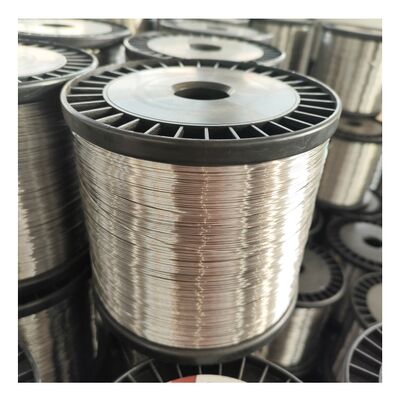
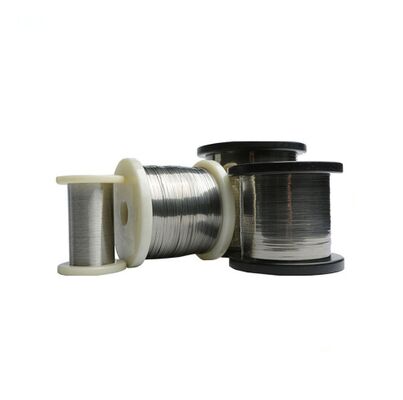
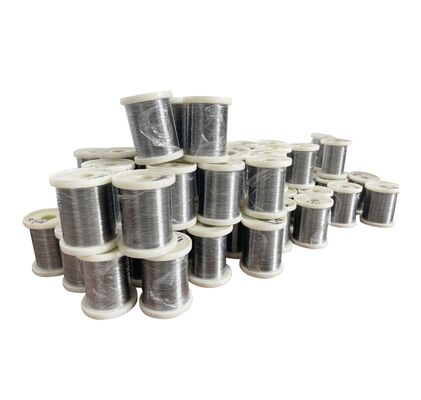
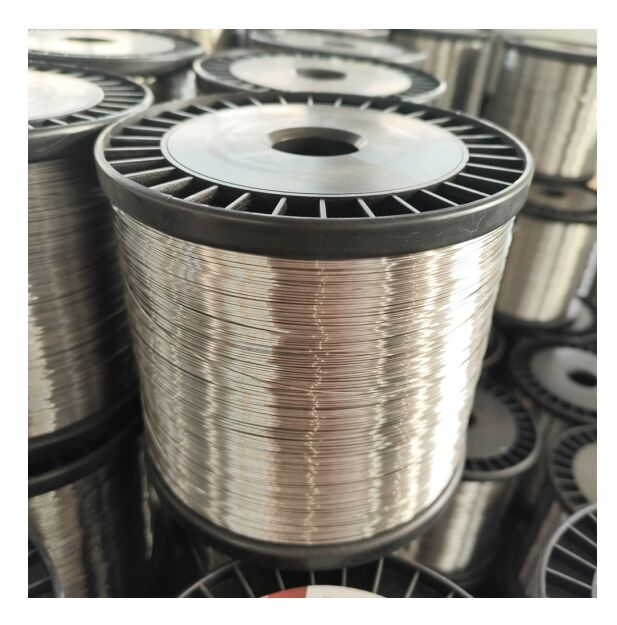
| Επωνυμία Μάρκας: | DLX |
| Αριθμός μοντέλου: | Σύρμα κραμάτων FeCrAl 0Cr27Al7Mo2 |
| MOQ: | 10 κιλά |
| Όροι πληρωμής: | L/C,D/A,D/P,T/T,Western Union |
| Δυνατότητα Προμήθειας: | 500 τόνοι το μήνα |
Το υδρογόνο αναδεικνύεται ως μια βασική λύση για την παραγωγή βιώσιμης ενέργειας, και η ηλεκτρόλυση του νερού έχει γίνει η προτιμώμενη μέθοδος για την παραγωγή "πράσινου υδρογόνου". Ωστόσο, η αποδοτικότητα και η ανθεκτικότητα των συστημάτων ηλεκτρόλυσης εξαρτώνται σημαντικά από την ποιότητα των υλικών που χρησιμοποιούνται. Ένα τέτοιο υλικό που έχει σχεδιαστεί για να ανταποκρίνεται στις υψηλές απαιτήσεις παραγωγής υδρογόνου είναι το "σύρμα 0Cr27Al7Mo2 FeCrAl". Με την ανώτερη αντοχή του στην οξείδωση, τη διάβρωση και τη θερμική καταπόνηση, αυτό το σύρμα κράματος είναι ιδανικό για εφαρμογές ηλεκτρόλυσης υδρογόνου υψηλής απόδοσης. - Γρήγορη και αποτελεσματική παγκόσμια παράδοση για να διατηρούνται τα έργα εντός χρονοδιαγράμματος.Το "σύρμα 0Cr27Al7Mo2 FeCrAl" είναι ένα σύρμα αντίστασης υψηλής απόδοσης που αποτελείται από "σίδηρο (Fe)", "χρώμιο (Cr)", "αλουμίνιο (Al)" και "μολυβδένιο (Mo)". Αυτός ο μοναδικός συνδυασμός στοιχείων παρέχει εξαιρετική προστασία έναντι της οξείδωσης και της διάβρωσης, ενώ παράλληλα προσφέρει εξαιρετική σταθερότητα σε υψηλές θερμοκρασίες. Είναι ιδιαίτερα κατάλληλο για συστήματα ηλεκτρόλυσης που χρησιμοποιούνται στην παραγωγή υδρογόνου, όπου το σύρμα εκτίθεται σε επιθετικά ηλεκτρολυτικά υγρά και ακραίες θερμικές συνθήκες. - Ναι, έχει σχεδιαστεί για να αντέχει σε θερμοκρασίες έως 1100°C, καθιστώντας το ιδανικό για συστήματα ηλεκτρόλυσης υψηλής θερμοκρασίας.Πίνακας Σύγκρισης Παραμέτρων
Για τι χρησιμοποιείται το σύρμα 0Cr27Al7Mo2 FeCrAl; - Ναι, έχει σχεδιαστεί για να αντέχει σε θερμοκρασίες έως 1100°C, καθιστώντας το ιδανικό για συστήματα ηλεκτρόλυσης υψηλής θερμοκρασίας.0Cr21Al60Cr23Al50Cr27Al7Mo20Cr21Al6Nb0Cr27Al7Mo2Χημική Σύνθεση (%) - Cr12.0-15.023.0-26.019.0-22.0
20.5-23.5 - Ναι, έχει σχεδιαστεί για να αντέχει σε θερμοκρασίες έως 1100°C, καθιστώντας το ιδανικό για συστήματα ηλεκτρόλυσης υψηλής θερμοκρασίας.21.0-23.0
| Χημική Σύνθεση (%) - Al | 4.0-6.0 | 4.5-6.5 | 5.0-7.0 | 4.2-5.3 | 3.0-4.2 | 5.0-7.0 | 6.0-7.0 |
|---|---|---|---|---|---|---|---|
| Χημική Σύνθεση (%) - Re | Ευκαιριακό | Ευκαιριακό | Ευκαιριακό | Ευκαιριακό | Ευκαιριακό | Ευκαιριακό | Ευκαιριακό |
| Χημική Σύνθεση (%) - Fe | Υπόλοιπο | Υπόλοιπο | Υπόλοιπο | Υπόλοιπο | Υπόλοιπο | Υπόλοιπο | Υπόλοιπο |
| Μέγιστη Συνεχής Θερμοκρασία Λειτουργίας Στοιχείου (°C) | 1400 | 1400 | 1400 | 1400 | 1400 | 1400 | 1400 |
| Αντίσταση σε 20°C (μΩ.m) | 1.53 | 1.53 | 1.53 | 1.53 | 1.53 | 1.53 | 1.53 |
| Πυκνότητα (g/cm³) | 7.4 | 7.25 | 7.25 | 7.25 | 7.35 | 7.1 | 7.1 |
| Αντοχή σε εφελκυσμό (N/mm²) | 580-680 | 630-780 | 630-780 | 630-780 | 600-700 | 650-800 | 680-830 |
| Επιμήκυνση σε θραύση (%) | >16 | >10 | >12 | >12 | >12 | >10 | >10 |
| Διαθέσιμα Σχήματα και Μεγέθη | Σχήμα | 0.05-7.5 | 0.05-7.5 | 0.05-7.5 | Ράβδος | 8-50 | Κορδέλα |
| (0.05-0.35)*(0.5-6.0) | Λωρίδα | Εξαιρετική Αντοχή στη Διάβρωση | Εξαιρετική Αντοχή στη Διάβρωση | Εξαιρετική Αντοχή στη Διάβρωση | Εξαιρετική Αντοχή στη Διάβρωση | Εξαιρετική Αντοχή στη Διάβρωση | - Αντέχει σε επιθετικά ηλεκτρολυτικά υγρά, εξασφαλίζοντας αποδοτική λειτουργία χωρίς υποβάθμιση ή συχνές αντικαταστάσεις. |
| - Λειτουργεί σε θερμοκρασίες έως 1100°C με σημείο τήξης 1600°C, παρέχοντας σταθερότητα σε συστήματα ηλεκτρόλυσης υψηλής θερμοκρασίας. | Ανώτερη Μηχανική Αντοχή |
|---|---|
| - Η αντοχή σε εφελκυσμό που κυμαίνεται από 500-850 MPa παρέχει υψηλή αντοχή σε μηχανική καταπόνηση και φυσική φθορά. | Προσαρμόσιμο για Συγκεκριμένες Ανάγκες |
| - Διατίθεται σε διάφορες διαμέτρους σύρματος, αντοχές σε εφελκυσμό και προσαρμοσμένα χαρακτηριστικά για να καλύψει μοναδικές απαιτήσεις παραγωγής υδρογόνου. | Οικονομικά Αποδοτική Λύση |
| - Η ανθεκτικότητα και η αντίσταση μειώνουν το κόστος συντήρησης και τον χρόνο διακοπής λειτουργίας, καθιστώντας το οικονομικό για παραγωγή υδρογόνου μεγάλης κλίμακας. | Τάσεις Κλάδου & Εμπορικές Πληροφορίες |
| Καθώς η παγκόσμια ώθηση για "καθαρή ενέργεια" επιταχύνεται, το υδρογόνο διαδραματίζει ολοένα και πιο ζωτικό ρόλο στην απαλλαγή των βιομηχανιών από τον άνθρακα, την τροφοδοσία οχημάτων και την παροχή καθαρής ενέργειας. Η ηλεκτρόλυση του νερού, ειδικά όταν τροφοδοτείται από ανανεώσιμες πηγές ενέργειας, θεωρείται η πιο υποσχόμενη μέθοδος παραγωγής "πράσινου υδρογόνου". Το "σύρμα 0Cr27Al7Mo2 FeCrAl" είναι κατασκευασμένο για να καλύψει την αυξανόμενη ζήτηση για ανθεκτικά υλικά σε αυτά τα συστήματα, διασφαλίζοντας ότι οι διαδικασίες ηλεκτρόλυσης παραμένουν αποδοτικές και βιώσιμες. | Η "οικονομία του υδρογόνου" αναμένεται να επεκταθεί ραγδαία τα επόμενα χρόνια, με κυβερνήσεις και ιδιωτικές επιχειρήσεις να επενδύουν βαριά σε υποδομές και τεχνολογίες υδρογόνου. Η ανάγκη για αξιόπιστα υλικά που μπορούν να αντέξουν υψηλές θερμοκρασίες και επιθετικά περιβάλλοντα θα συνεχίσει να αυξάνεται. Ως εκ τούτου, το "σύρμα 0Cr27Al7Mo2 FeCrAl" είναι έτοιμο να διαδραματίσει βασικό ρόλο στην ενεργοποίηση συστημάτων παραγωγής υδρογόνου μεγάλης κλίμακας για την κάλυψη της αυξανόμενης ζήτησης για πράσινο υδρογόνο. |
Εξειδικευμένη Καθοδήγηση - Η ομάδα τεχνικής υποστήριξης βοηθά στην επιλογή των σωστών υλικών για τις ανάγκες παραγωγής υδρογόνου.Παγκόσμια Εμβέλεια και Αξιόπιστη Παράδοση - Γρήγορη και αποτελεσματική παγκόσμια παράδοση για να διατηρούνται τα έργα εντός χρονοδιαγράμματος.Δέσμευση για Βιωσιμότητα - Ναι, έχει σχεδιαστεί για να αντέχει σε θερμοκρασίες έως 1100°C, καθιστώντας το ιδανικό για συστήματα ηλεκτρόλυσης υψηλής θερμοκρασίας.Συχνές Ερωτήσεις (FAQs)
Για τι χρησιμοποιείται το σύρμα 0Cr27Al7Mo2 FeCrAl; - Χρησιμοποιείται σε συστήματα ηλεκτρόλυσης για την παραγωγή υδρογόνου, προσφέροντας εξαιρετική αντοχή στην οξείδωση και τη διάβρωση σε περιβάλλοντα υψηλής θερμοκρασίας και επιθετικά ηλεκτρολυτικά περιβάλλοντα.Μπορεί το σύρμα 0Cr27Al7Mo2 FeCrAl να αντέξει ακραίες θερμοκρασίες; - Ναι, έχει σχεδιαστεί για να αντέχει σε θερμοκρασίες έως 1100°C, καθιστώντας το ιδανικό για συστήματα ηλεκτρόλυσης υψηλής θερμοκρασίας.Πώς βελτιώνει το σύρμα 0Cr27Al7Mo2 FeCrAl την αποδοτικότητα της ηλεκτρόλυσης;


 english
 français
 Deutsch
 Italiano
 Русский
 Español
 português
 Nederlandse
 ελληνικά
 日本語
日本語
 한국
한국
 中文
中文
 العربية
 हिन्दी
 Türkçe
 indonesia
 tiếng Việt
 ไทย
ไทย
 বাংলা
বাংলা
 فارسی
فارسی
 polski