5s
+1
Submission successful!

|
| Επωνυμία Μάρκας: | DLX |
| Αριθμός μοντέλου: | Σύρμα CuNi1 |
| MOQ: | 10 κιλά |
| Όροι πληρωμής: | L/C,D/A,D/P,T/T,Western Union |
| Δυνατότητα Προμήθειας: | 500 τόνοι το μήνα |
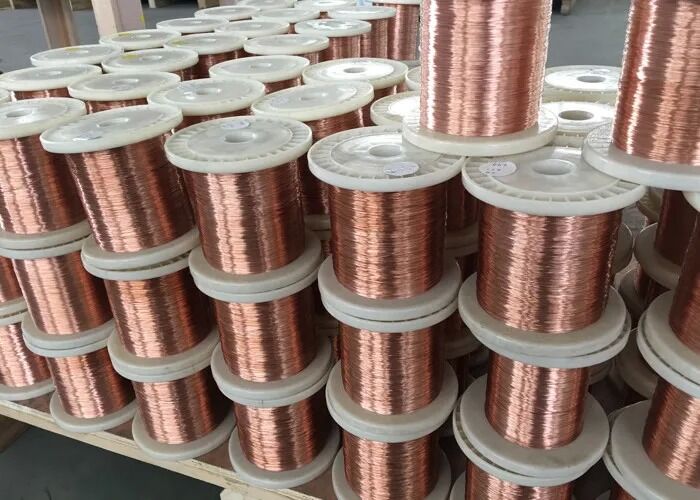
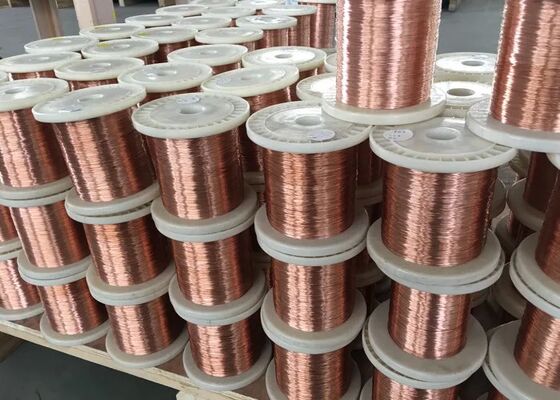
Η παγκόσμια ενεργειακή μετατόπιση προς βιώσιμες και καθαρές ενεργειακές λύσεις επιταχύνεται και η παραγωγή υδρογόνου διαδραματίζει κεντρικό ρόλο σε αυτή την μεταμόρφωση.μέθοδος παραγωγής υδρογόνου διαχωρίζοντας το νερό σε οξυγόνο και υδρογόνοΗ ηλεκτρολύση είναι μια από τις πιο ελπιδοφόρες τεχνολογίες για την παραγωγή καθαρού υδρογόνου.Τεχνουργήματα από χάλυβα και χάλυβαΜε την εξαιρετική αντοχή του στην διάβρωση, την υψηλή απόδοση και τη μακρά διάρκεια ζωής, το σύρμα κράματος CuNi1 είναι μια ιδανική επιλογή για εφαρμογές ηλεκτρολύσεως,ιδιαίτερα στην παραγωγή υδρογόνουΗ DLX είναι περήφανη που προσφέρει καλώδιο CuNi1 χαλκού-νικελίου που εξασφαλίζει αξιοπιστία και υψηλή απόδοση για τις ηλεκτροχημικές σας διαδικασίες.
Το CuNi1 Copper-Nickel Wire είναι ειδικά σχεδιασμένο για χρήση στην ηλεκτρόλυση υδρογόνου, μια βασική διαδικασία στην παραγωγή πράσινου υδρογόνου.ανθεκτικό στη διάβρωση διάλυμα που εξασφαλίζει τόσο βέλτιστες επιδόσεις όσο και μακροζωία σε σκληρά ηλεκτροχημικά περιβάλλονταΕίτε εργάζεστε με ηλεκτρολύτες βιομηχανικής κλίμακας είτε με εφαρμογές εργαστηριακής κλίμακας, το καλώδιο CuNi1 είναι μια εξαιρετική επιλογή για τη βελτίωση της αποτελεσματικότητας της διαδικασίας παραγωγής υδρογόνου.
Στο DLX, το σύρμα μας CuNi1 χαλκού-νικελίου κατασκευάζεται για να ανταποκρίνεται στα υψηλότερα πρότυπα, προσφέροντας τόσο προσαρμογή όσο και συνέπεια σε όλες τις εφαρμογές.Από τη βελτίωση της διάρκειας ζωής του εξοπλισμού σας μέχρι τη μείωση της κατανάλωσης ενέργειας, το σύρμα CuNi1 είναι το αξιόπιστο υλικό που χρειάζεστε για τα έργα ηλεκτρόλυσης σας.
| Υλικό | Αντίσταση 200°C μΩ.m | Μέγιστη θερμοκρασία λειτουργίας (°C) | Δυνατότητα τράβηξης (MPa) | Σημείο τήξης (°C) | Σφιχτότητα (g/cm3) | TCR *10−6/°C (20-600°C) | Ηλεκτρομαγνητικά πεδία έναντι Cu (μV/°C) (0-100°C) |
|---|---|---|---|---|---|---|---|
| CuNi1 | 0.03 | 200 | 210 | 1085 | 8.9 | < 100 | - 8 |
| CuNi2 | 0.05 | 200 | 220 | 1090 | 8.9 | < 120 | -12 |
| CuNi6 | 0.1 | 220 | 250 | 1095 | 8.9 | < 60 | - 18 χρόνια. |
| CuNi8 | 0.12 | 250 | 270 | 1097 | 8.9 | < 57 | - 22 χρόνια. |
| CuNi10 | 0.15 | 250 | 290 | 1100 | 8.9 | < 50 | -25 |
| CuNi14 | 0.2 | 300 | 310 | 1115 | 8.9 | < 30 | - 28 |
| CuNi19 | 0.25 | 300 | 340 | 1135 | 8.9 | < 25 | -32 χρόνια. |
| CuNi23 | 0.3 | 300 | 350 | 1150 | 8.9 | < 16 | - 34 |
| CuNi30 | 0.35 | 350 | 400 | 1170 | 8.9 | < 10 | - 37 |
| CuNi34 | 0.4 | 350 | 400 | 1180 | 8.9 | 0 | - 39 |
| CuNi44 | 0.5 | 400 | 420 | 1200 | 8.9 | <-6 | -43 |
| Τράβηγμα | 0.08-7.5mm |
| Διάταξη | (0,05-0,35) × (0,5-6,0) mm |
| Τρίχωμα | (0,50-2,5) × ((5-180) mm |
| Ράβδοι | 8 έως 50 mm |
Η ζήτηση για υδρογόνο, ιδιαίτερα για πράσινο υδρογόνο, αυξάνεται καθώς οι χώρες προσπαθούν να επιτύχουν τους κλιματικούς στόχους και να μειώσουν τις εκπομπές αερίων του θερμοκηπίου.Το υδρογόνο αναδεικνύεται ως καθαρή εναλλακτική λύση στα ορυκτά καύσιμαΤα υλικά που χρησιμοποιούνται στα συστήματα ηλεκτρολύσεως γίνονται όλο και πιο κρίσιμα για την εξασφάλιση αποτελεσματικής και βιώσιμης παραγωγής υδρογόνου.
Η αυξανόμενη υιοθέτηση κυψελών καυσίμου υδρογόνου στις μεταφορές, την παραγωγή ενέργειας και τη βαριά βιομηχανία οδηγεί περαιτέρω στην ζήτηση υλικών υψηλών επιδόσεων όπως το σύρμα CuNi1 χαλκού-νικελίου.Η ικανότητα αυτού του καλωδίου να αντέχει σε σκληρά περιβάλλοντα, διατηρεί την αγωγιμότητα και εξασφαλίζει μακροπρόθεσμη απόδοση τοποθετεί ως ηγετική επιλογή για τη βιομηχανία υδρογόνου.
Καθώς οι ηλεκτρολύτες συνεχίζουν να εξελίσσονται και να κλιμακώνονται, υλικά όπως το CuNi1 χαλκό-νικέλιο καλώδιο θα είναι καθοριστικός παράγοντας για την προώθηση της οικονομίας του υδρογόνου.βιώσιμη λύση που ανταποκρίνεται στην αυξανόμενη ανάγκη για υλικά υψηλής απόδοσης σε συστήματα ηλεκτρολύσεως.


 english
 français
 Deutsch
 Italiano
 Русский
 Español
 português
 Nederlandse
 ελληνικά
 日本語
日本語
 한국
한국
 中文
中文
 العربية
 हिन्दी
 Türkçe
 indonesia
 tiếng Việt
 ไทย
ไทย
 বাংলা
বাংলা
 فارسی
فارسی
 polski